
Cinnamon: Uses and Benefits
Great news for fans of cinnamon buns: this spice may assist in combating excess weight.
Cinnamon helps to stabilise blood sugar levels, reducing the craving for sweet foods. Consuming 2g of cinnamon daily can lower blood sugar by 10% and cholesterol by 13%, according to research by German doctors.
If you’re avoiding flour, try adding cinnamon to other foods and beverages, such as coffee, chamomile tea, yoghurt, or porridge.
Culinary Uses
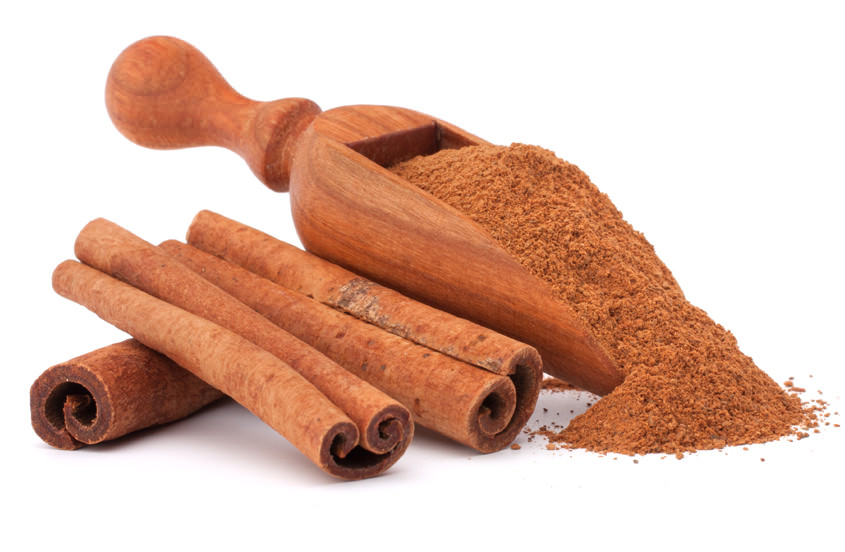
Cinnamon sticks are typically added to liquid dishes, while ground cinnamon is used in main courses and baked goods.
It is a key ingredient in various spice blends like curry, Yerevan mix, and mixtures for fruit, mushroom, and meat marinades. Cinnamon is also used to flavour liqueurs, punch, grog, homemade drinks, and desserts.
In contemporary Western European cuisine, cinnamon features in fashionable fruit salads and even some vegetable salads. It pairs well with spinach, carrots, red cabbage, and sweetcorn, as well as with apple, quince, and pear dishes.
In certain European countries, cinnamon is commonly added to homemade brews, a tradition likely linked to spiced beer or wine enjoyed during Christmas.
The warm aroma of cinnamon complements apples, pears, and chocolate, which is why true gourmets often sprinkle a pinch of grated chocolate and cinnamon into their cappuccinos. It’s widely used in beverages, marinades, biscuits, buns, and sweet dishes made with cottage cheese and fruit. It also enhances the flavour of vegetable and fruit salads, as well as poultry, pork, and lamb dishes. For instance, cinnamon is indispensable in classic recipes like stuffed aubergines or Greek lamb stew.

Medicinal Uses
In medicine, cinnamon is valued for its antiseptic properties.
An alcoholic extract of cinnamon bark is effective against various gram-positive and gram-negative bacteria, and can inhibit tubercle bacilli and viruses. Cinnamon aids digestion, normalises stomach and intestinal function, and stimulates the kidneys, liver, and gallbladder.
Nutritional Content
Cinnamon bark contains 1-2% essential oil, primarily composed of cinnamic acid aldehyde (around 90%), along with some tannins.
